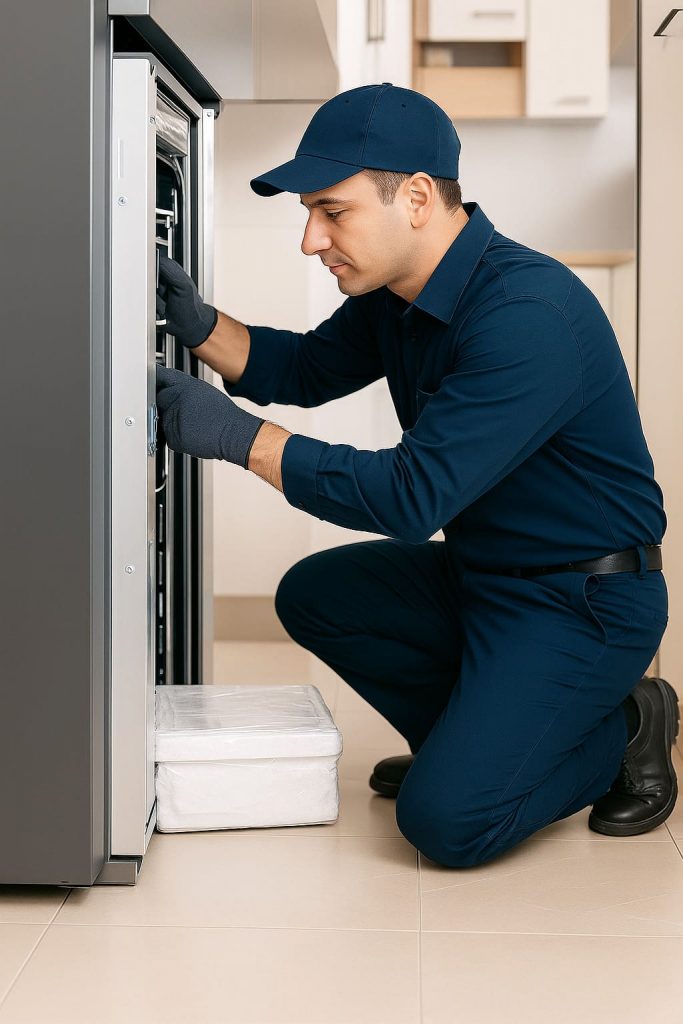
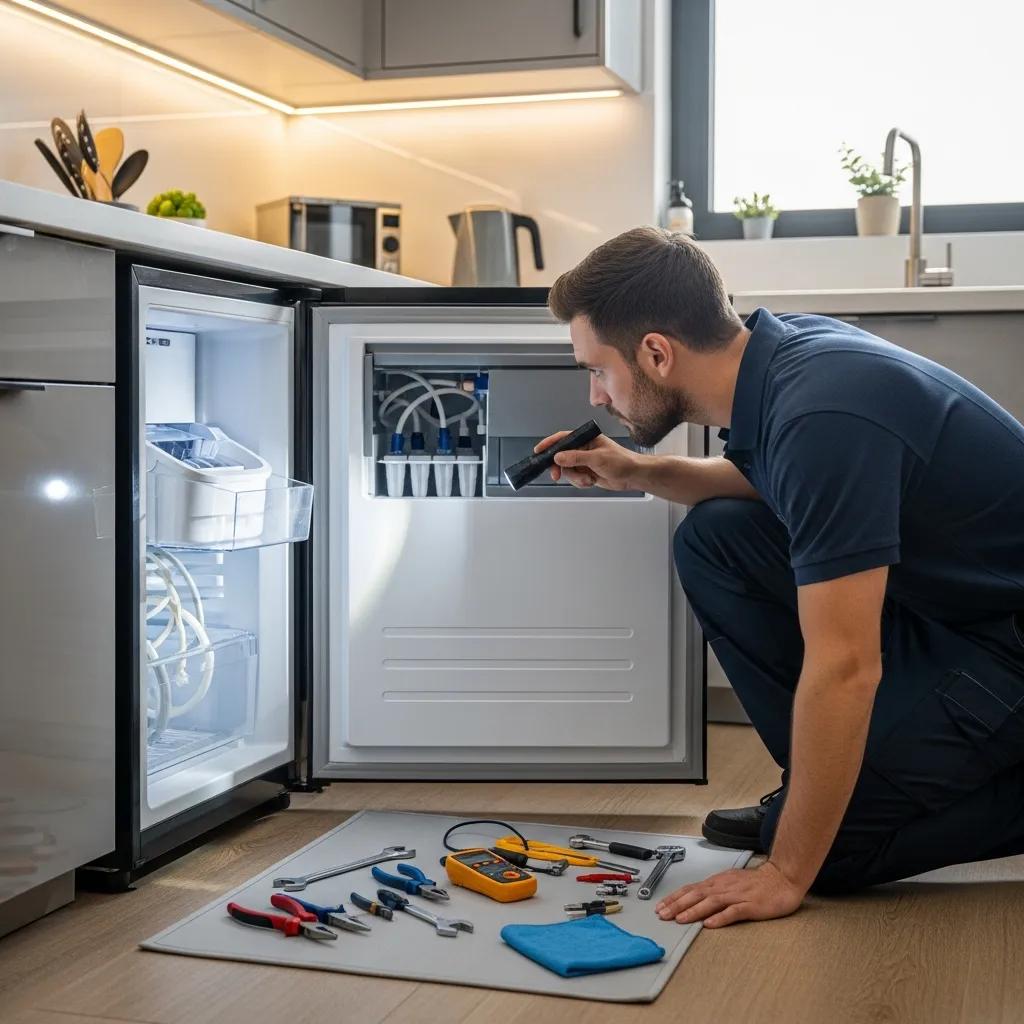

Experiencing a refrigerator that is warm while the freezer remains cold can be frustrating and concerning. This issue often indicates underlying problems within the cooling system that need to be addressed promptly. In this article, we will explore the common causes of this phenomenon, how the refrigerator cooling system operates, and effective troubleshooting steps to restore proper functionality. By understanding the mechanics behind your refrigerator’s cooling system, you can identify potential issues and take appropriate action to resolve them. We will also discuss when it might be necessary to call in a professional technician and provide maintenance tips to prevent future cooling problems.
Why Is My Refrigerator Warm But Freezer Cold? Understanding the Core Symptoms
When your refrigerator is warm but the freezer is cold, it can be a sign of several issues within the cooling system. Understanding the symptoms is crucial for diagnosing the problem effectively.
What Does It Mean When the Fridge Section Is Not Cooling Properly?
A refrigerator that fails to cool properly while the freezer remains functional typically indicates a malfunction in the cooling system. Common indicators include food spoiling faster than usual, condensation forming inside the fridge, and an overall warm temperature in the fridge compartment. These symptoms suggest that the cooling mechanism is not effectively circulating cold air, which is essential for preserving food.
How Does a Cold Freezer Coexist with a Warm Refrigerator?
The coexistence of a cold freezer and a warm refrigerator can be attributed to the design of the cooling system. In many refrigerators, cold air is generated in the freezer and then circulated to the fridge compartment. If there is a blockage or malfunction in the air circulation system, the fridge may not receive the necessary cold air, leading to temperature imbalances. Understanding this relationship is key to diagnosing the issue effectively.
How Does the Refrigerator Cooling System Work? Key Components and Their Roles
To troubleshoot cooling issues, it’s essential to understand how the refrigerator cooling system operates. The main components include the evaporator fan, thermostat, compressor, and defrost system, each playing a vital role in maintaining the desired temperature.
What Is the Function of the Evaporator Fan and Air Circulation?
The evaporator fan is responsible for circulating cold air from the freezer to the refrigerator compartment. If the fan fails, cold air will not reach the fridge, resulting in a warm interior. Proper “air circulation” is crucial for maintaining consistent temperatures throughout the appliance.
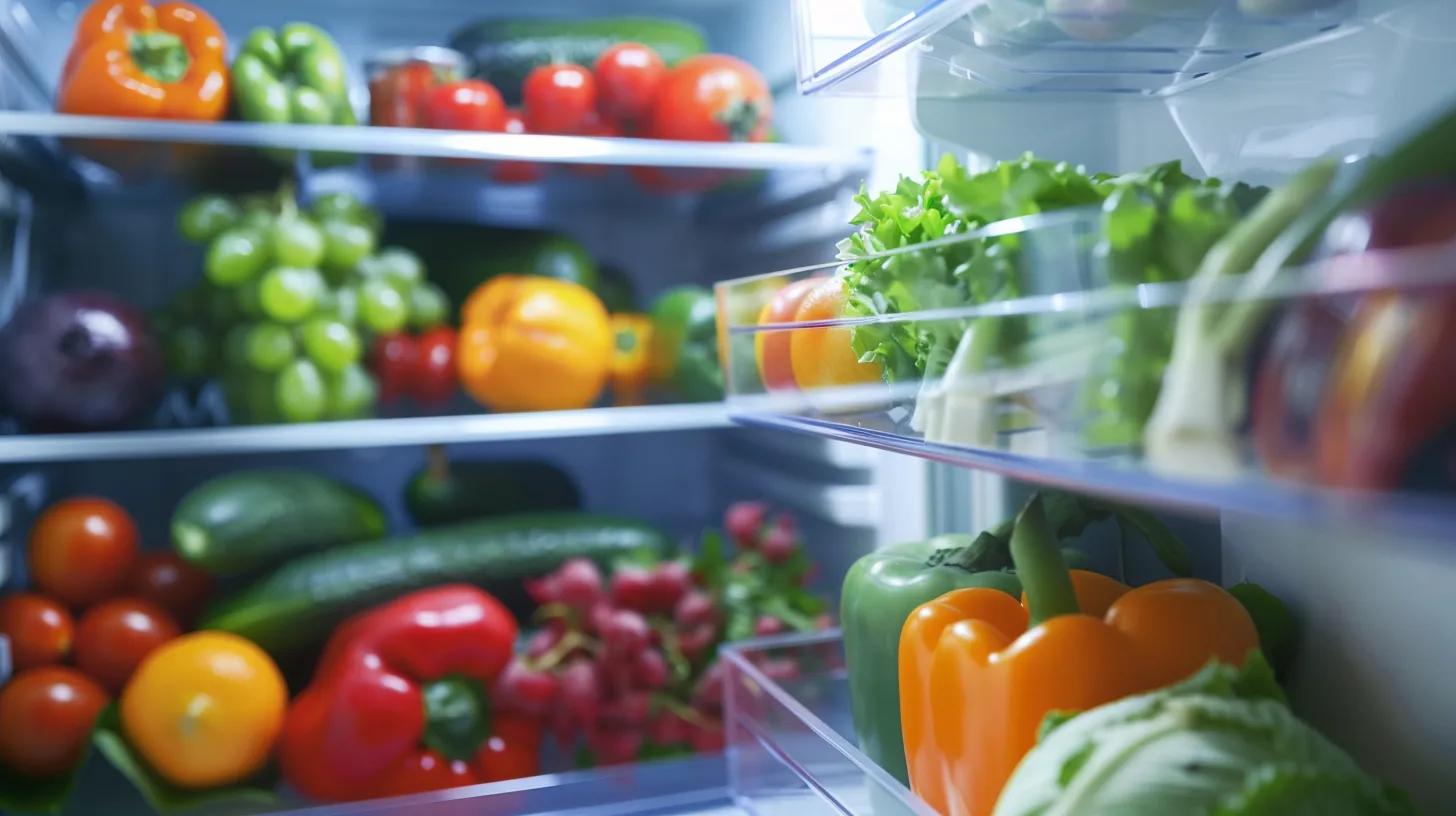
How Do the Thermostat, Compressor, and Defrost System Affect Cooling?
The thermostat regulates the temperature by controlling the compressor’s operation. If the thermostat is faulty, it may not signal the compressor to turn on, leading to inadequate cooling. Additionally, the defrost system prevents frost buildup on the evaporator coils, which can block airflow and hinder cooling efficiency. Understanding these components helps in identifying the root cause of cooling issues.
What Are the Common Causes of Fridge Not Cooling But Freezer Works?
Several common issues can lead to a refrigerator not cooling while the freezer remains functional. Identifying these causes is the first step in troubleshooting the problem effectively.
How Does Defrost System Failure Lead to Fridge Cooling Problems?
A malfunctioning defrost system can cause frost to accumulate on the evaporator coils, blocking airflow. This blockage prevents cold air from circulating to the refrigerator compartment, resulting in a warm fridge. Signs of defrost system issues include excessive frost buildup and unusual noises from the appliance.
Research further emphasizes how frost accumulation can severely impede a refrigeration system’s efficiency and airflow.
What Role Do Evaporator Fan and Air Damper Issues Play?
Problems with the “evaporator fan” or air damper can significantly impact cooling performance. If the evaporator fan is not functioning, cold air will not circulate properly. Similarly, a malfunctioning air damper may fail to open, restricting airflow to the fridge compartment. Both issues can lead to temperature imbalances between the freezer and refrigerator.
How Can I Troubleshoot and Fix Refrigerator Cooling Issues? Step-by-Step DIY Guide
Troubleshooting refrigerator cooling issues involves a systematic approach to identify and resolve the problem. Here are some essential steps to follow.
What Are the Essential Checks for Evaporator Fan and Thermostat?
- Check the Evaporator Fan: Ensure the fan is running when the compressor is on. If not, it may need to be replaced.
- Test the Thermostat: Use a multimeter to check for continuity. If it’s faulty, replacing it can restore proper cooling.
How to Address Compressor and Defrost System Problems Effectively?
- Inspect the Compressor: Listen for unusual noises. If the compressor is not running, it may need professional servicing.
- Examine the Defrost System: Check for frost buildup on the coils. If present, manually defrosting the coils may temporarily resolve the issue until repairs can be made.
For those seeking high-quality replacement parts, consider options like “evaporator fans” and thermostats that are compatible with your refrigerator model.
When Should You Call a Professional Technician for Refrigerator Cooling Problems?
While many cooling issues can be resolved through DIY troubleshooting, some situations require professional intervention.
What Are the Signs That DIY Repairs Are Not Enough?
If you notice persistent cooling issues despite troubleshooting, or if the compressor is not functioning, it may be time to call a technician. Additionally, if you encounter electrical problems or complex mechanical failures, professional expertise is essential.
How to Choose a Reliable Appliance Repair Service?
- Experience: Look for technicians with a proven track record in refrigerator repairs.
- Reviews: Check customer reviews and ratings to gauge service quality.
- Warranty: Ensure the service offers a warranty on repairs for peace of mind.
How to Prevent Refrigerator Cooling Issues: Maintenance Tips for Long-Term Performance
Preventing cooling issues is often easier than fixing them. Regular maintenance can help ensure your refrigerator operates efficiently.
What Regular Maintenance Keeps the Cooling System Efficient?
- Clean the Condenser Coils: Dust and debris can hinder cooling efficiency. Clean the coils at least twice a year.
- Check Door Seals: Ensure the door seals are intact to prevent cold air from escaping.
- Monitor Temperature Settings: Keep the refrigerator at the recommended temperature of 37°F (3°C) and the freezer at 0°F (-18°C).
How Does Proper Temperature Control Prevent Fridge and Freezer Imbalance?
Maintaining the correct temperature settings is crucial for preventing imbalances between the fridge and freezer. Regularly check and adjust the settings as needed to ensure optimal performance.
By understanding the causes and solutions for refrigerator cooling issues, you can take proactive steps to maintain your appliance’s efficiency and longevity. Regular maintenance and timely repairs will help keep your refrigerator running smoothly, ensuring your food stays fresh and safe.
Indeed, the importance of consistent maintenance for refrigeration equipment, both preventive and corrective, is well-documented in research.
Frequently Asked Questions
What should I do if my refrigerator is warm but the freezer is cold?
If your refrigerator is warm while the freezer is cold, start by checking the evaporator fan and air circulation. Ensure the fan is operational, as it circulates cold air from the freezer to the fridge. Additionally, inspect the air damper to confirm it is opening properly. If these components are functioning correctly, consider examining the thermostat and defrost system for potential issues. If troubleshooting does not resolve the problem, it may be time to consult a professional technician.
How can I tell if the thermostat is faulty?
A faulty thermostat can lead to inadequate cooling in your refrigerator. To test it, use a multimeter to check for continuity. If the thermostat does not show continuity when set to a cooling temperature, it is likely defective and needs replacement. Additionally, if you notice that the compressor is not cycling on and off as it should, this may also indicate a thermostat issue. Regular checks can help prevent cooling problems before they escalate.
What are the signs of a failing compressor?
Signs of a failing compressor include unusual noises, such as clicking or buzzing sounds, and the compressor not running at all. If the compressor is hot to the touch or if the refrigerator is not cooling despite the compressor being on, these are also indicators of potential failure. A malfunctioning compressor often requires professional repair or replacement, as it is a critical component of the cooling system. Regular maintenance can help extend the life of your compressor.
How often should I clean the condenser coils?
It is recommended to clean the condenser coils at least twice a year to maintain optimal cooling efficiency. Dust and debris can accumulate on the coils, hindering their ability to dissipate heat effectively. This can lead to increased energy consumption and potential cooling issues. If you have pets or live in a dusty environment, consider cleaning the coils more frequently. Regular maintenance of the coils can help prolong the life of your refrigerator and improve its performance.
What maintenance tasks can I perform to prevent cooling issues?
To prevent cooling issues, regularly clean the condenser coils, check door seals for integrity, and monitor temperature settings. Ensure the refrigerator is set to the recommended temperature of 37°F (3°C) and the freezer at 0°F (-18°C). Additionally, defrost the appliance if frost buildup is excessive. Keeping the appliance clean and well-maintained can significantly reduce the likelihood of cooling problems and enhance its overall efficiency.
When is it necessary to replace the evaporator fan?
If the evaporator fan is not running when the compressor is on, it may need to be replaced. Signs of a failing fan include a lack of airflow in the refrigerator compartment and unusual noises coming from the fan area. If you notice these symptoms, it is essential to address the issue promptly, as a malfunctioning fan can lead to inadequate cooling and spoilage of food. Regular checks can help identify fan issues before they escalate into more significant problems.
Conclusion
Understanding the reasons behind a refrigerator that is warm while the freezer remains cold is essential for effective troubleshooting and maintenance. By identifying common issues such as evaporator fan failures and defrost system malfunctions, you can take proactive steps to restore your appliance’s efficiency. Regular maintenance and timely repairs not only enhance performance but also prolong the lifespan of your refrigerator. For more tips and high-quality replacement parts, explore our comprehensive resources today.