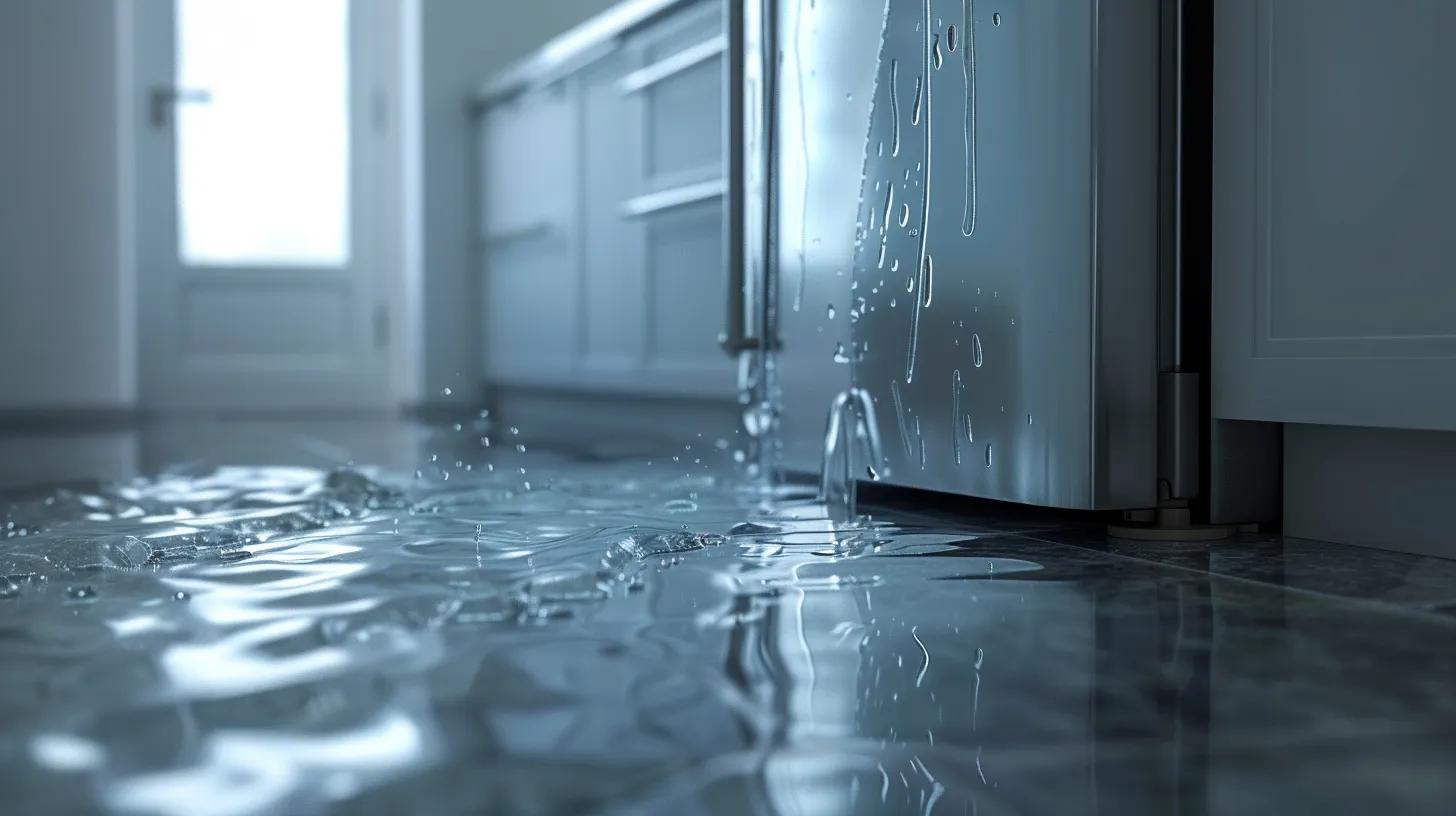
Discovering water pooling around your refrigerator can quickly turn from a minor annoyance into a major headache. Not only does it risk damaging your kitchen floor, but it can also signal underlying issues that, if left unchecked, may lead to costly repairs or reduced appliance efficiency. This guide dives deep into the most common causes of refrigerator leaks, offering practical, step-by-step solutions to help you fix the problem swiftly and confidently. Whether you’re a seasoned DIYer or just starting out, our expert tips will empower you to maintain a dry, efficient kitchen and extend the life of your refrigerator.
Why Is My Refrigerator Leaking Water on the Floor?
Water leaks from refrigerators are surprisingly common, but pinpointing the exact cause is key to a lasting fix. Typically, leaks stem from:
- Clogged defrost drain – the most frequent culprit, causing water to back up and spill.
- Damaged water line – especially in models with ice makers or water dispensers.
- Overflowing or misaligned drip pan – which collects condensation and defrost water.
Identifying the source quickly helps you avoid water damage to your floors and prevents further appliance issues. For more on maintaining your kitchen appliances, check out our Kitchen Appliance Maintenance Tips.
Common Sources of Refrigerator Water Leaks Explained
- Clogged Defrost Drain: When the defrost drain gets blocked by food debris or ice buildup, melted water from the defrost cycle has nowhere to go but onto your floor.
- Damaged Water Line: Cracks or breaks in the water supply line can cause leaks, often unnoticed until water pools beneath the fridge.
- Overflowing Drip Pan: The drip pan collects excess water, but if it’s full, cracked, or improperly positioned, water will spill out.
Understanding these causes helps you take targeted action, saving time and money.
How to Check and Clear a Clogged Refrigerator Drain Tube
Clearing a clogged drain tube is one of the most effective ways to stop leaks and keep your refrigerator running smoothly. Here’s a simple, practical approach:
- Gather Your Tools: You’ll need a bucket or towel to catch water, plus a flexible brush or a straightened coat hanger to clear blockages.
- Locate the Drain Tube: Typically found at the back of the fridge, this tube channels water to the drip pan.
- Clear the Clog: Gently push the brush or hanger through the tube to dislodge debris. Follow up by pouring warm water down the tube to flush it out.
Regularly clearing the drain tube prevents water buildup and leaks. For a detailed walkthrough, visit our Guide to Cleaning Your Refrigerator Drain Tube.
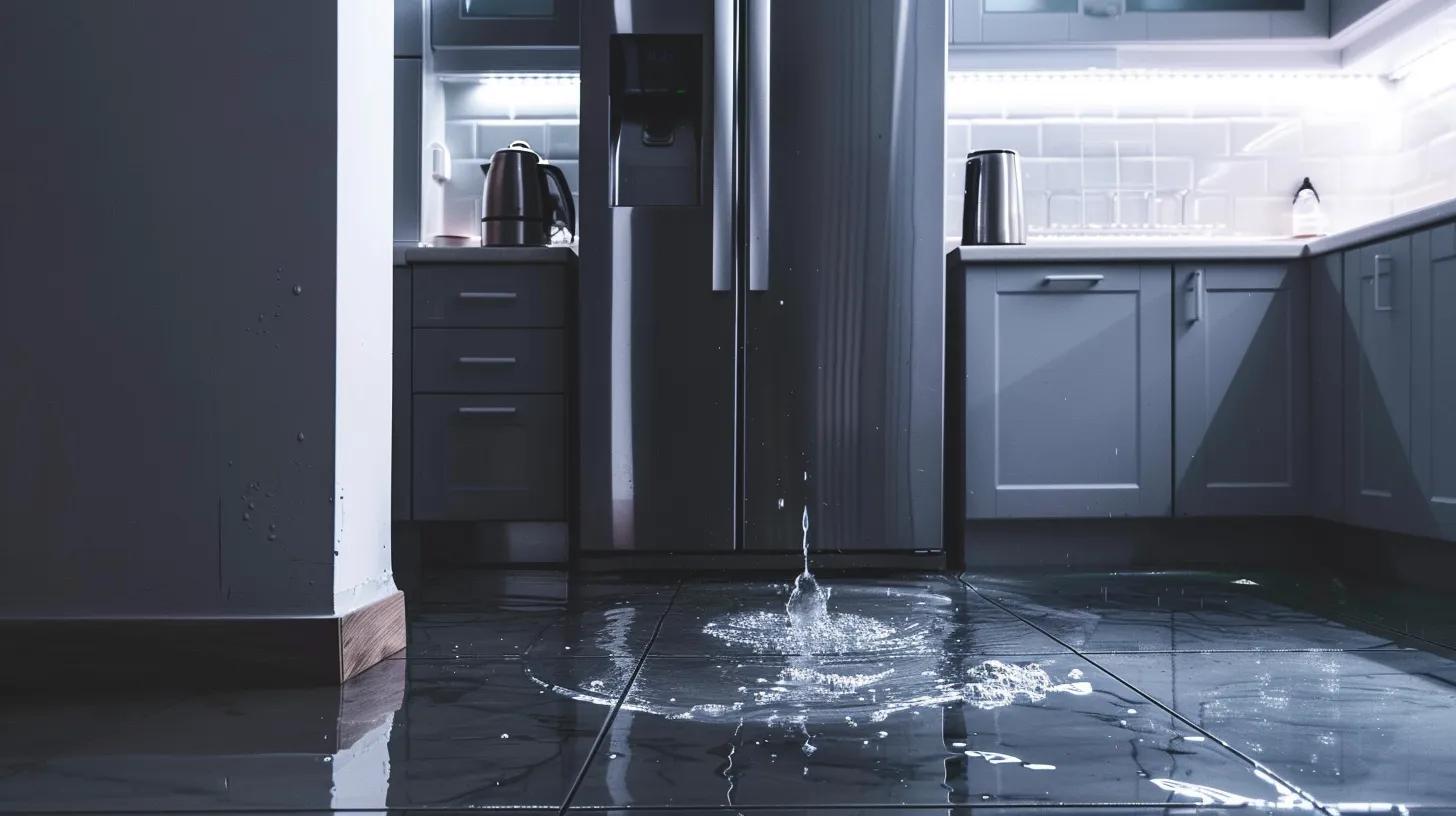
Why Does a Clogged Defrost Drain Cause Water to Pool Under the Refrigerator?
During the defrost cycle, ice melts and the water should flow through the drain tube into the drip pan. If the drain is blocked, water accumulates inside the fridge or underneath it, eventually spilling onto your floor. You might notice water pooling inside the fridge or damp spots on the floor. Routine cleaning of the drain tube is a simple yet powerful way to prevent this common issue.
What to Inspect When Your Water Dispenser Is Leaking
Leaks from the water dispenser can be tricky but usually trace back to a few key components. Here’s what to check:
- Water Filter: A clogged or improperly installed filter can cause leaks.
- Water Line: Look for cracks, kinks, or loose connections.
- Water Inlet Valve: A faulty valve may drip or leak water.
Addressing these areas promptly not only stops leaks but also ensures your water dispenser works efficiently. Learn more about water dispenser repair on our site.
How a Damaged Water Line Leads to Floor Leaks
If your refrigerator has an ice maker or water dispenser, a damaged water line is a common leak source. Signs include visible cracks, unexpected water pooling, or a spike in your water bill. Fixing or replacing the water line quickly prevents water damage and restores your fridge’s functionality.
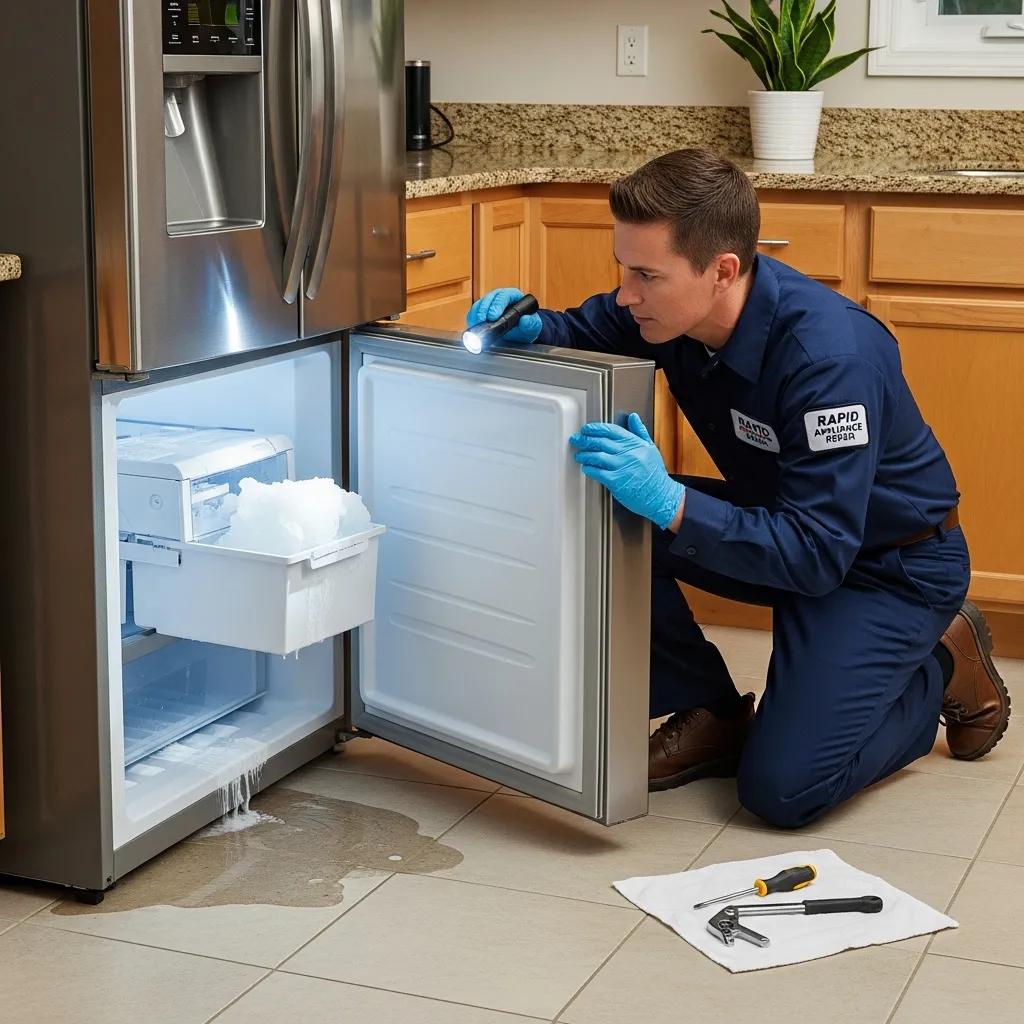
How Ice Maker Leaks Cause Water on the Floor
Ice maker leaks often go unnoticed until water starts pooling on your kitchen floor. Common causes include:
- Clogged or frozen water lines
- Malfunctioning ice maker components
- Improper installation or alignment
Addressing these issues early can save you from water damage and costly repairs.
Effective Solutions for Ice Maker Water Leaks
- Inspect the Water Line: Check for kinks, cracks, or blockages.
- Check Ice Maker Installation: Ensure it’s securely and correctly installed.
- Replace the Water Filter: A clogged filter restricts water flow and can cause leaks.
Following these steps helps you maintain a leak-free ice maker and a dry kitchen floor. For more on ice maker maintenance, see our Ice Maker Maintenance Tips.
Preventative Maintenance to Stop Refrigerator Water Leaks
Preventing leaks before they start is the smartest way to protect your kitchen and your appliance. Here’s how to stay ahead:
- Clean the Drip Pan: Every 6 months, remove and clean the drip pan to prevent overflow and odors.
- Replace Water Filters Regularly: Fresh filters ensure proper water flow and reduce leak risks.
- Inspect Water Lines and Seals: Look for wear or damage and replace parts as needed.
- Clear the Defrost Drain: Regularly flush the drain tube to avoid clogs.
Consistent maintenance not only prevents leaks but also improves your refrigerator’s efficiency and lifespan. For a comprehensive maintenance checklist, visit our Refrigerator Maintenance Guide.
How Often Should You Clean the Drip Pan and Replace the Water Filter?
We recommend cleaning the drip pan and replacing the water filter every six months. This schedule keeps your fridge running smoothly and prevents common leak causes. If you notice water pooling or reduced water flow, it’s time to act.
Ready to Keep Your Refrigerator Leak-Free?
If you’re facing persistent leaks or want to ensure your fridge stays in top shape, don’t hesitate to reach out. Our expert technicians offer personalized, fast, and reliable service tailored to your needs. Contact us today to schedule a consultation or learn more about our appliance repair services.
Frequently Asked Questions
What should I do if my refrigerator is leaking from the bottom?
Start by inspecting the drip pan and drain tube for clogs or damage. Make sure the drip pan is correctly positioned and not overflowing. Check the water line for cracks or leaks, especially if your fridge has a water dispenser or ice maker. Also, examine door seals for gaps that might cause condensation. If these checks don’t resolve the issue, it’s wise to consult a professional technician for a thorough diagnosis.
Can a refrigerator leak cause mold growth?
Absolutely. Persistent leaks create damp environments that encourage mold and mildew, which can harm your health and damage your home. Promptly addressing leaks and ensuring good ventilation are essential. Regular cleaning and maintenance also help minimize moisture buildup and mold risks.
How can I tell if my refrigerator leak is serious?
Serious leaks often come with persistent water pooling, unusual noises, or sudden spikes in water usage. If you notice water damage on floors or walls, or if your fridge struggles to maintain temperature, these are red flags. In such cases, professional assessment is crucial to prevent further damage.
Is it safe to use my refrigerator if it is leaking?
Using a leaking refrigerator can pose safety risks, including electrical hazards and mold growth. If the leak is significant, unplug the appliance and address the issue promptly. When in doubt, seek professional help to ensure your safety and the appliance’s proper function.
What tools do I need for refrigerator leak repairs?
Basic repairs typically require a bucket or towel, a flexible brush or straightened coat hanger for clearing clogs, and a screwdriver for accessing components. For complex issues like damaged water lines, specialized tools or professional assistance may be necessary.
How can I prevent future leaks in my refrigerator?
Regular maintenance is your best defense. Clean the drip pan and replace water filters every six months, inspect water lines for damage, and ensure door seals are intact. Periodically check and clear the defrost drain to avoid blockages. Staying proactive helps you avoid leaks and extends your refrigerator’s lifespan.
Conclusion
Water leaks from your refrigerator don’t have to disrupt your home or drain your wallet. By understanding the root causes and following practical maintenance steps, you can keep your kitchen dry and your appliance running efficiently. Remember, timely action prevents small issues from becoming costly repairs. For expert help or more detailed guides, explore our appliance repair services and resources. Don’t let leaks linger—take control today!