Washer Won’t Spin in Pflugerville, TX – Complete Troubleshooting and Repair Guide
Dealing with a
washer that won’t spin
is always a hassle — especially when you need clean clothes fast. This guide walks you through the most common signs and causes of spin failures, clear DIY checks you can try, when to call a pro, and easy maintenance tips to keep your washer running. Read on and you’ll have practical next steps to fix the problem or know exactly what to tell a technician.
What Are the Common Signs Your Washer Isn’t Spinning Properly?
Spotting the right symptoms helps you act before a small issue becomes a big repair. Look for very wet clothes after a cycle, no sound of the spin cycle, or a musty mildew smell coming from the drum. Those clues usually point to a spin problem and tell you whether a quick fix will do or if you need professional help.
How to Identify Symptoms Like Soaked Clothes and No Spin Cycle Sound
If your laundry comes out soaking wet, the washer likely didn’t complete its spin. Another sign is the missing hum or whir you normally hear during spinning — that can mean trouble with the motor, drive belt, or electronic controls. These are the first things to check when diagnosing the issue.
Why Does a Mildew Smell Indicate Spin Cycle Problems?
A mildew or musty smell usually means water is sitting in the drum or door seal instead of being thrown out during spin and drain. Standing water encourages mold and odors and is often tied to a failed spin or a drain issue — so cleaning and fixing the spin function are both important.
What Are the Most Frequent Causes of a Washer Not Spinning in Pflugerville?
Knowing the common causes makes troubleshooting faster. The usual culprits are unbalanced loads, a bad lid switch or door lock, a worn or broken drive belt, and a clogged or failing drain pump. Any of these can stop the spin cycle and leave clothes wet.
How Does an Unbalanced Load Prevent Your Washer from Spinning?
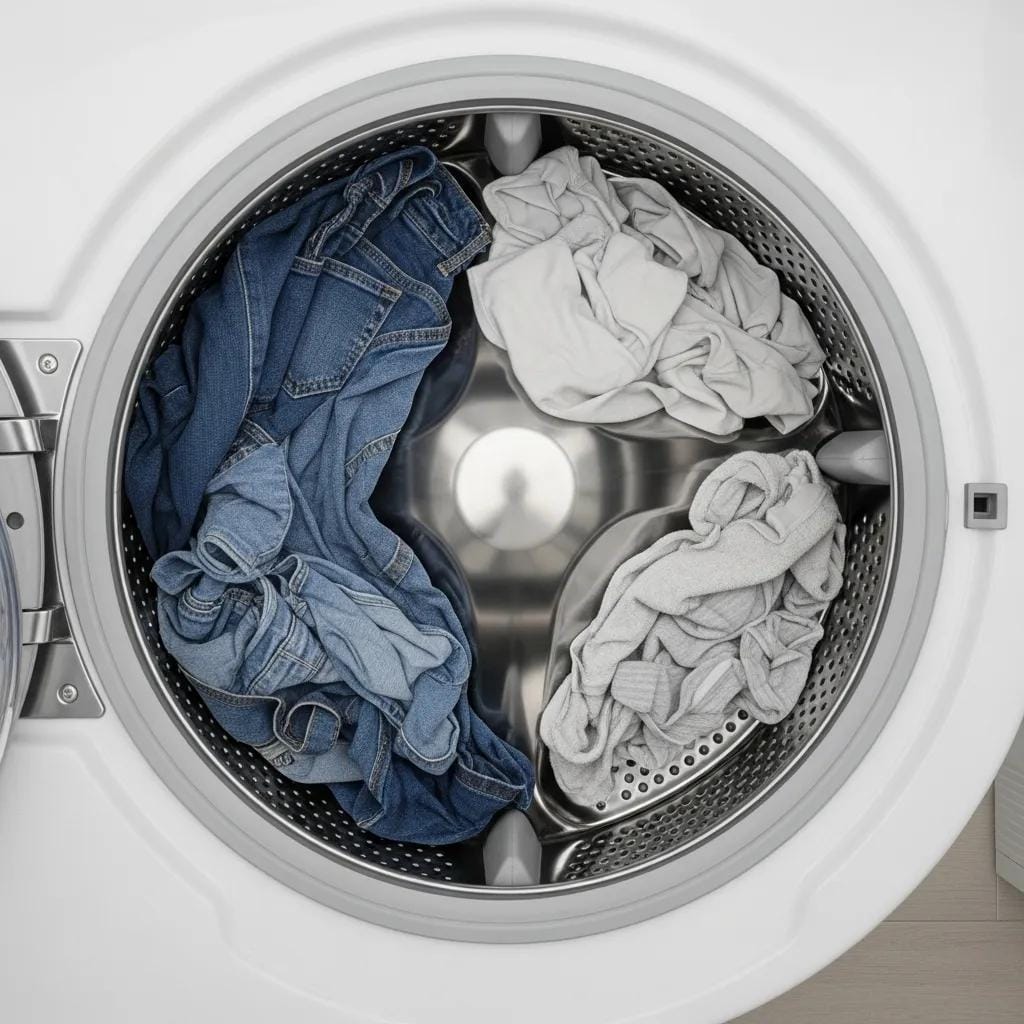
When heavy items clump on one side, the washer senses the imbalance and may refuse to spin to avoid damage. A quick fix is to stop the machine, redistribute the clothes evenly, and restart. In many cases that alone gets the spin working again.
Research also shows that drum imbalances affect more than performance — they can change noise levels and stress the machine over time.
Washing Machine Spin Cycle Imbalance & Effects
This study explains how spin phases and drum imbalances increase a washing machine’s acoustic output and describes the different spin stages that follow the final water discharge. It highlights how imbalance during spinning affects both noise and performance.
Impact of the spin cycle on the acoustic power level of a washing machine, 2019
What Role Does a Faulty Lid Switch or Door Lock Play in Spin Failures?
A lid switch or door lock is a safety feature — if it fails, the washer won’t start or it won’t enter the spin cycle. These parts are easy to test visually, and a continuity check with a multimeter can confirm whether they need replacing.
A damaged door gasket can also stop the door from sealing properly, which causes similar problems.
Washing Machine Failure Diagnosis & Door Gasket Issues
In failure investigations, door gasket problems are a common atypical cause because they prevent the door from sealing. When the seal fails, the washer may not close properly or run its full cycle.
Equipment Failures and Investigations, 2021
How Can You Troubleshoot and Fix Washer Spin Issues Yourself?
Many spin problems can be fixed with a few safe, step-by-step checks. Try the basic troubleshooting below before booking a service — you might save time and money.
What Are the Step-by-Step Instructions to Rebalance an Unbalanced Washer Load?
- Stop the Washer
: Pause the cycle and open the lid or door. - Redistribute Clothes
: Take out a few items if needed and spread the rest evenly around the drum. - Check for Heavy Items
: Make sure towels or heavy garments aren’t all on one side. - Restart the Cycle
: Close the lid or door and try the spin again.
These simple steps often restore normal spinning without further work.
How to Test and Diagnose a Faulty Lid Switch or Door Lock
- Inspect the Lid Switch or Door Lock
: Look for visible damage, corrosion, or loose parts. - Test the Door Lock
: Close the door and listen for the click that indicates it has engaged. - Use a Multimeter
: If you have a multimeter, check continuity while the lid or door is closed. No continuity usually means the switch or lock needs replacing.
These checks will help you confirm whether the lid switch or door lock is the source of the problem.
When Should You Call a Professional Washer Repair Service in Pflugerville?
DIY checks are useful, but some problems need a trained technician. If the washer won’t spin after basic troubleshooting, if you find electrical or mechanical damage, or if you prefer not to handle parts, call a pro to avoid injury or more costly damage.
What Are the Benefits of Choosing Artifix Appliance Repair for Washer Spin Problems?
Choosing
Artifix Appliance Repair
means licensed local techs who show up fast and fix the problem right. We offer same-day service when possible, use quality parts, and back repairs with a 90-day warranty so you don’t have to worry about repeat issues.
How Does Same-Day Service and Warranty Support Ensure Reliable Repairs?
Same-day service gets your washer back in action quickly, and the 90-day warranty covers follow-up work if the original repair doesn’t hold. That combination gives you reliable repairs and fewer surprises on cost or downtime.
How Can Preventative Maintenance Help Avoid Washer Spin Cycle Problems?
Regular upkeep reduces the chance of spin failures and extends the life of your washer. A few simple routines keep parts working smoothly and help you spot wear before it becomes a breakdown.
What Are Effective Tips to Balance Loads and Clean Washer Components Regularly?
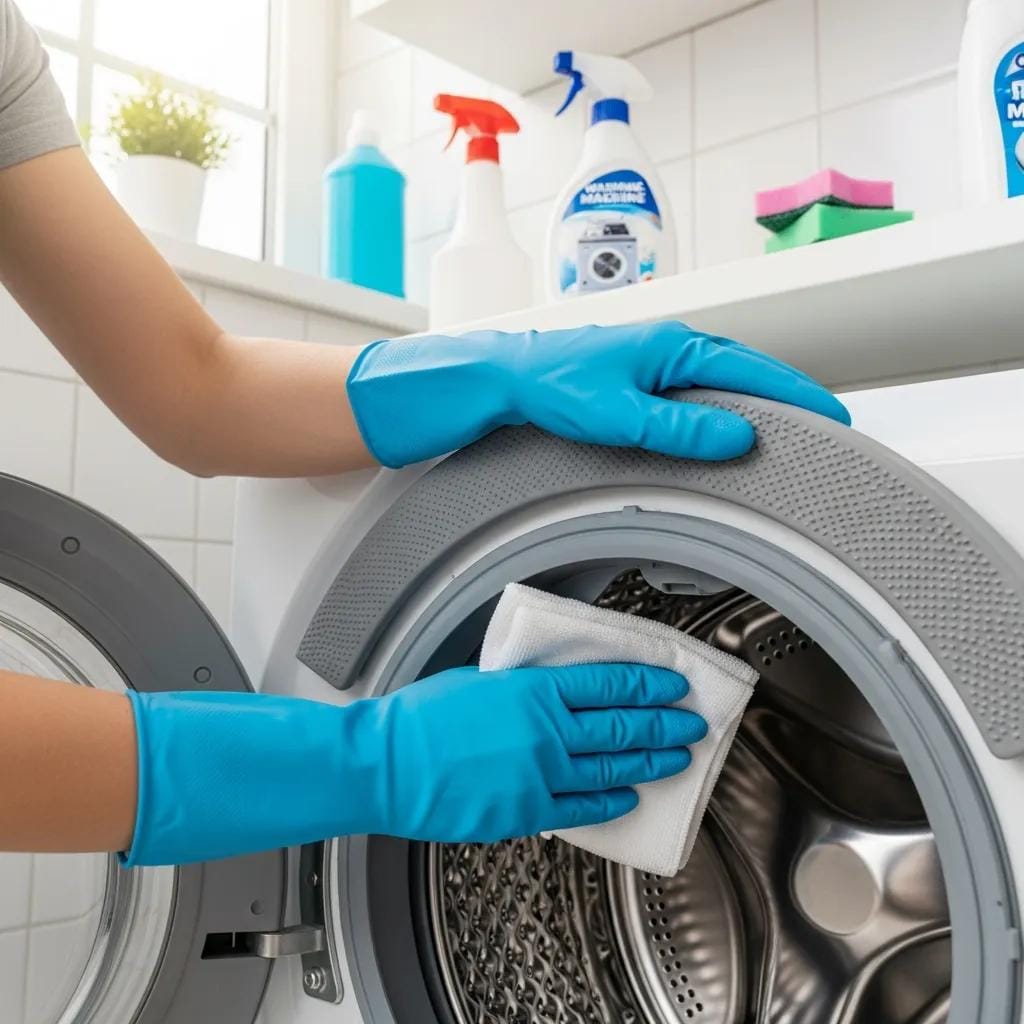
- Balance Loads
: Load clothes evenly and avoid mixing a single heavy item with lots of small items. - Clean the Drum
: Wipe the drum and door seal regularly to prevent mildew and buildup. - Inspect Hoses
: Check hoses for kinks, cracks, or blockages that can affect draining.
Following these simple routines keeps your washer running more reliably.
How Does Regular Inspection of Parts Like Drive Belts and Drain Pumps Prevent Issues?
Periodic checks of drive belts, drain pumps, and seals help you spot wear early. Replace damaged parts promptly to avoid bigger failures — proactive care often saves money versus emergency repairs.
What Are the Answers to Common Questions About Washers Not Spinning in Pflugerville?
Here are quick answers to frequent questions homeowners ask when their washer won’t spin.
Why Is My Washer Not Spinning but Still Draining?
If the washer drains but won’t spin, likely causes include a worn or broken drive belt, a bad motor coupler, or a faulty lid switch. The pump can still move water out while the drive components that turn the drum no longer work.
How Much Does It Typically Cost to Fix a Washer That Won’t Spin in Pflugerville?
Repair costs vary by the problem, but a typical range is $150 to $350 depending on parts and labor. For an accurate estimate, have a technician inspect the washer — we can often give a firm price on arrival.
Is It Worth Repairing a Washer That Won’t Spin or Should I Replace It?
Consider repair if the washer is under about 8–10 years old and the fix is substantially cheaper than buying new. If the machine is older and multiple major parts need replacement, replacing it may be the smarter long-term choice.
The repairability of appliances is increasingly studied to help decide when fixes make sense versus full replacement.
Washing Machine Repairability Assessment Systems
Evaluation systems like the Assessment Matrix for ease of Repair (AsMeR) and the Repair Scoring System (RSS) are used to judge how easy washing machines are to fix. These tools help compare repair options and costs.
Analysis of evaluation systems for product repairability: A case study for washing machines, E Bracquené, 2021
Frequently Asked Questions
What should I do if my washer is making unusual noises during the spin cycle?
Unusual noises can point to a foreign object in the drum, a worn drive belt, or failing bearings. First, check the drum for coins or small items. If the sound continues, inspect the belt and listen for grinding or squealing that could mean the bearings need replacement. If you can’t identify the cause, have a technician take a look.
How can I tell if my washer’s motor is malfunctioning?
Signs of motor trouble include no spinning or agitation, loud unusual noises, or the motor getting hot. If the washer won’t start or stops mid-cycle, the motor might be at fault. A continuity test with a multimeter can confirm the motor’s condition; lack of continuity generally means replacement is needed.
What are the signs that my washer needs a new drive belt?
If the drum won’t spin, the washer makes slipping or thumping noises, or it won’t agitate, the drive belt may be worn or broken. Inspect the belt for frays, cracks, or stretching — replacing a damaged belt often restores normal operation.
Can using too much detergent affect my washer’s spin cycle?
Yes. Excess detergent creates too many suds, which can interfere with proper spinning and cause unbalanced loads. Always follow the manufacturer’s detergent guidelines and use HE detergent for high-efficiency machines.
How often should I clean my washer to prevent spin issues?
Clean your washer about once a month to prevent residue and mildew buildup. Focus on the drum, door seal, and detergent dispenser. Running a hot cycle with vinegar or a commercial washer cleaner helps keep the machine fresh and working well.
What should I do if my washer is still under warranty and has spin issues?
If your washer is under warranty, contact the manufacturer or the retailer first. Have your purchase and warranty details handy — many warranties cover repairs for defects, which could save you repair costs or provide replacement parts.
Conclusion
Knowing the common causes and fixes for a washer that won’t spin lets you take quick, effective action. Try the DIY checks here first, and if the problem persists, call a trusted repair service like Artifix Appliance Repair to handle the job safely and reliably. For more tips or to schedule service, visit our site or give us a call.